
What is RSV?
- Symptoms are cold-like and often short
- Hospitalization is uncommon
- Children and seniors are at higher risk
- Use improved hygiene and, if fitting, vaccines, to protect yourself
What actually is the virus?
RSV is a cold-like virus that manifests with similar symptoms and spreads through the eyes, nose, or mouth.
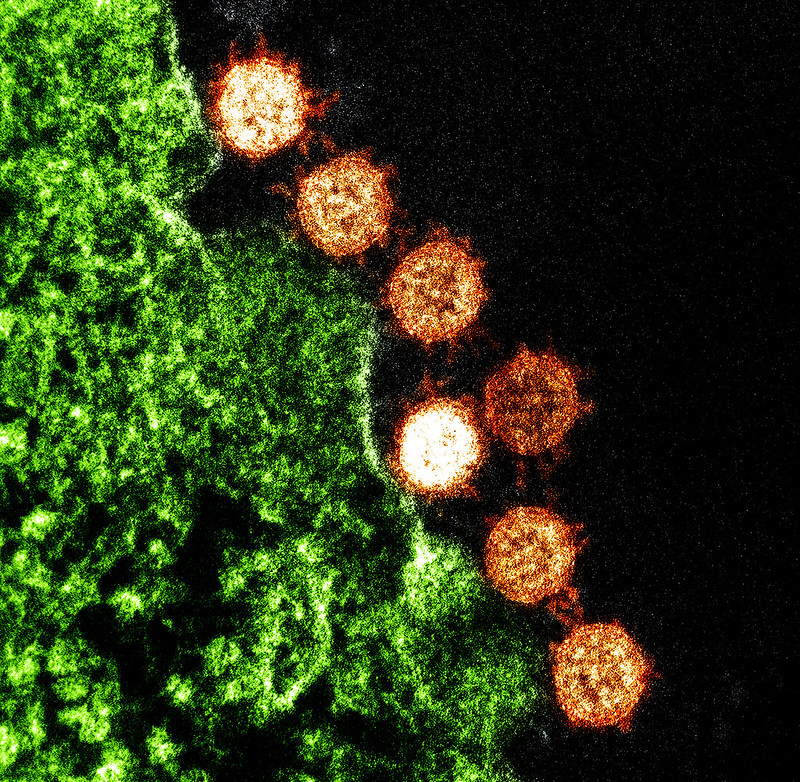
You may have heard this collection of letters before. Especially if you have a young child, or your parents are getting older– RSV is one of those illnesses that gets tossed into the alphabet salad frequently.
RSV stands for ‘respiratory syncytial virus’. It’s a common respiratory virus, much like COVID-19. It even displays similar symptoms.
As a virus, it’s a collection of non-living molecules that are ganging up to cause issues– like HIV or the common cold. A bacterial infection, like strep throat, is caused by a living organism spreading through your system. A bacterial infection can be harder to shake.
It can be an incredibly common sickness. About two-thirds of those under one have been infected with RSV. When we get to two years old, 90% of children have been infected once or twice.
As such, you won’t be surprised to hear that it spreads easily. RSV tends to enter the body through the eyes, nose, or mouth. Through these locations, it spreads to the rest of your body– infecting the nose, throat, and lungs.
The virus lives for hours on everyday surfaces. You can catch it by touching these surfaces, and then your eyes, nose, or mouth, or by standing near those with RSV that are coughing or sneezing. These individuals are most contagious in their first week of being sick.
RSV, as a virus, can also cause more severe infections. These are often bronchiolitis and pneumonia, both of which involve the inflammation of your smaller lung tubes. When it does spread like this, RSV often requires hospitalization, though the stay usually only lasts a few days.
What are the symptoms?
Symptoms are similar to a cold, with congestion, cough, exhaustion, and fever. Worsening symptoms include lack of appetite and bluish skin.
Symptoms of RSV are very close to a cold.
- Congestion / runny nose
- Sneezing
- Dry cough (a ‘barking’ cough)
- Low fever
- Lack of energy
- Sore throat
- Mild headache
Anything more severe than that in adults is usually caused by RSV causing another, more severe infection. If this does happen, you can expect:
- A stronger fever / cough
- Wheezing when exhaling
- Difficulty breathing
- Low appetite
- Bluish skin
For bluish skin, pay close attention to the lips and nail bed. These locations can help you see the tinge appear.
In children, worsening symptoms can manifest as:
- Breathing gets shorter & harder
- Cough continues
- Difficulty with food
- Bluish skin
- Exhaustion & irritation
On the anecdotal side of RSV, people report difficulties with a type of congestion that just doesn’t go away (despite treatment), continual coughing on exhalation, and symptoms that persist for over eight days. In their opinion, it is the worst “cold” they’ve ever had.
Generally, RSV does not cause long-term issues or symptoms.
What are my treatment options?
RSV is very treatable at-home, but with worsening symptoms, hospitalization can improve breathing and fever.
For mild symptoms, it’s best to treat it like an at-home cold. Stay home whenever possible, mask up, and disinfect behind you, especially if there are non-infected individuals in your home. You should also:
- Drink plenty of water
- Get rest
- Use over-the-counter medications
- Acetaminophen (older than 2 months)- like Tylenol
- Ibuprofen (older than 6 months)- like Advil
- Cold medications
- Continue taking any prescribed medications
If you find you have difficulty breathing, a high fever (above 103 degrees Fahrenheit), or blue coloring in your skin (check nails beds and lips), it is recommended that you go to a doctor. Two thirds of every 100 infants with RSV require a hospital stay, so it isn’t uncommon. These stays are usually short, and may include:
- Breathing treatments (including oxygen)
- IV fluids for dehydration
- Removal of mucus from your airways
Who does it affect?
Those at higher risk include children and seniors, with seniors at higher risk of mortality.
RSV can infect anyone, but some groups are at a stronger risk, both to catch it and to have more damaging outcomes.
Children
Kids can be quite unhygienic. Those who attend daycare, or have siblings who do, are at a stronger risk of catching RSV.
Infants are more likely to catch it, especially premature babies under six months of age.
Children with heart disease (like rheumatic heart disease), chronic lung disease (like asthma), neuromuscular disorders (like Multiple Sclerosis), and weakened immune systems are also at high risk.
Adults
Adults with heart or lung disease are at higher risk than those without.
Seniors
Those 65 and older (especially if you have repeated RSV infections) have a higher mortality rate. Especially if you are immunocompromised– for example, if you smoke, have had an organ transplant, or take certain medications.
RSV causes at least 60,000 to 160,000 hospitalizations every year among seniors in the U.S., so it’s important to be aware of your situation.
Where did it come from?
Originally, we thought the virus came from chimpanzees, and called it “chimpanzee coryza agent”. It was first found in a group of four lab chimpanzees in 1956. However, we soon realized it was a human virus, as it was isolated within children in 1957.
What is the current situation?
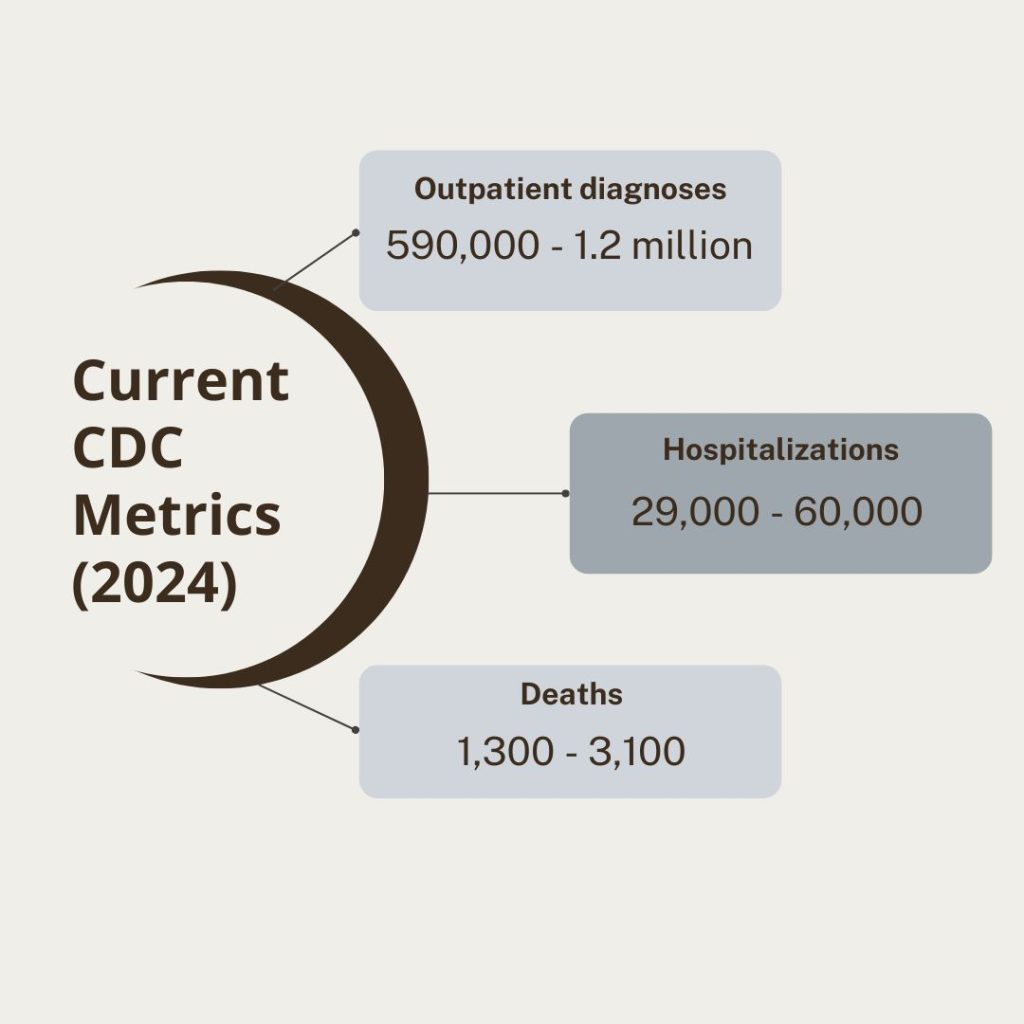
According to CDC estimates, 2024 had similar numbers to last year’s measures. There isn’t a worsening or improving situation. Although it presents similarly to COVID-19, it isn’t currently as damaging or prominent.
You can expect higher rates of RSV, in both children and adults, during the colder seasons. Numbers grow higher from the start of fall to the end of spring, and lower during summer.
How do I protect myself & others?
Hygiene and, if appropriate for your child or yourself, vaccinations, can improve your chances of not catching RSV.
There are several ways to reduce the risk and help protect yourself and others. The most important, and often the easiest to access, is improving your hygiene.
This includes:
- More frequent hand washing
- Cleaning surfaces
- Disinfecting with actual disinfectants, like bleach or alcohol
- Soap doesn’t fully disinfect
- Limit exposure to germs
- Stay further from infected persons
- Avoid large indoor events during the season
- Wear a mask if you need to go
- Don’t share glasses/food/etc. with others
In addition to small adjustments to lifestyle, there are also innovations that can help you protect yourself and others.
For babies under eight months coming into the RSV season, there is Nirsevimab. This is an antibody product given in a single shot a month before the season begins.
For pregnant people, during September through January, there is a vaccine available to prevent it in their infants from birth to six months. This is also a single shot.
And finally, for older adults (60 or over), there is also a single dose shot to help prevent RSV.
Overall, RSV is common, and can be dangerous, but it is more than possible to both prevent the illness and treat it effectively. Please talk to your doctor for more information.